Dental Crown or Filling? What Pompano Beach Patients Should Know
If you have a cavity, a cracked tooth or an old repair that's wearing out, you'll likely hear one of two words at your next visit: filling or crown. A filling repairs a small area of a tooth. A crown is a custom cap that covers a weakened tooth to restore its strength, shape and natural appearance. Below, you'll see how Dr. Andrew Browne and our team at My Pompano Dentist help you tell which one your tooth needs, what to watch for once the work is done, and how to help it last.
Do I need a crown or a filling?
It usually comes down to how much support your tooth needs. A filling is perfect for a small repair. When more of the tooth needs reinforcing to stay strong and comfortable, a crown caps and protects the whole tooth.
That matches general guidance: fillings are the usual treatment for a cavity, and a crown may be needed when decay is extensive or a tooth has been weakened, according to Mayo Clinic's overview of cavity treatment.
How do we help you choose between a crown and a filling?
We show you what we see on your scan, explain plainly why one option makes more sense than the other, and then leave the choice to you. We'll never suggest a crown you don't truly need, because our job is to give you honest options and good care.
When a crown is the right call, we gently prepare the tooth and take a digital scan instead of messy molds. Dr. Browne designs the crown from that scan, and we shape and shade it to blend with the teeth right around it. You can read more about custom dental crowns at My Pompano Dentist, from the first scan to the final fit.
What causes decay around an old filling or crown?
Bacteria that settle where the filling or crown meets your tooth. Dr. Browne explains that decay is caused by a chemical reaction, and food accumulation is what feeds it.
Every filling and crown has an edge where it meets the natural tooth, called the margin. Dr. Browne notes that composite, porcelain, zirconia and older silver work all leave margins that can harbor bacteria when they aren't cleaned properly. Dentists call decay that starts there recurrent decay.
Gum recession adds risk as well. In Dr. Browne's words, "root surfaces are more prone to decay because they don't have enamel protecting it."
How do I know an old filling or crown needs attention?
Watch for food getting caught around it, gums that bleed when you floss, or anything that feels loose. Each of those is a good reason to call us before your next checkup.
Dr. Browne calls food traps probably the biggest sign. In his words, "if there's food getting stuck somewhere that means that bacteria is being harbored in there." Bleeding matters too. Dr. Browne says "your gums should not bleed every time you floss," and bleeding like that points to at least some level of gum disease.
How can I help my crowns and fillings last longer?
Keep the edges clean, keep sugar from sitting on your teeth, and come in for regular checkups. Dr. Browne recommends a checkup every six months for most patients, or every three to four months if you have gum disease, because of how quickly biofilm builds up on the root surface below the gum line. Regular checkups help find decay before it causes symptoms.
How long sugar sits on your teeth matters more than how much you have. Dr. Browne points out that sipping on soda or coffee all day long keeps sugar on your teeth for long stretches, while a soda at lunch followed by brushing is a very different story. The same goes for candy: a piece followed by a drink of water or a brushing is far easier on your teeth than snacking all day.
Saliva helps too. Dr. Browne compares good salivary flow to a daily car wash for your teeth, and he notes that people on several medications often have less of it. The National Institute of Dental and Craniofacial Research notes that dry mouth raises the risk of tooth decay. If your mouth often feels dry or you take several medications, mention it at your visit.
Why do Pompano Beach patients choose My Pompano Dentist for dental crowns?
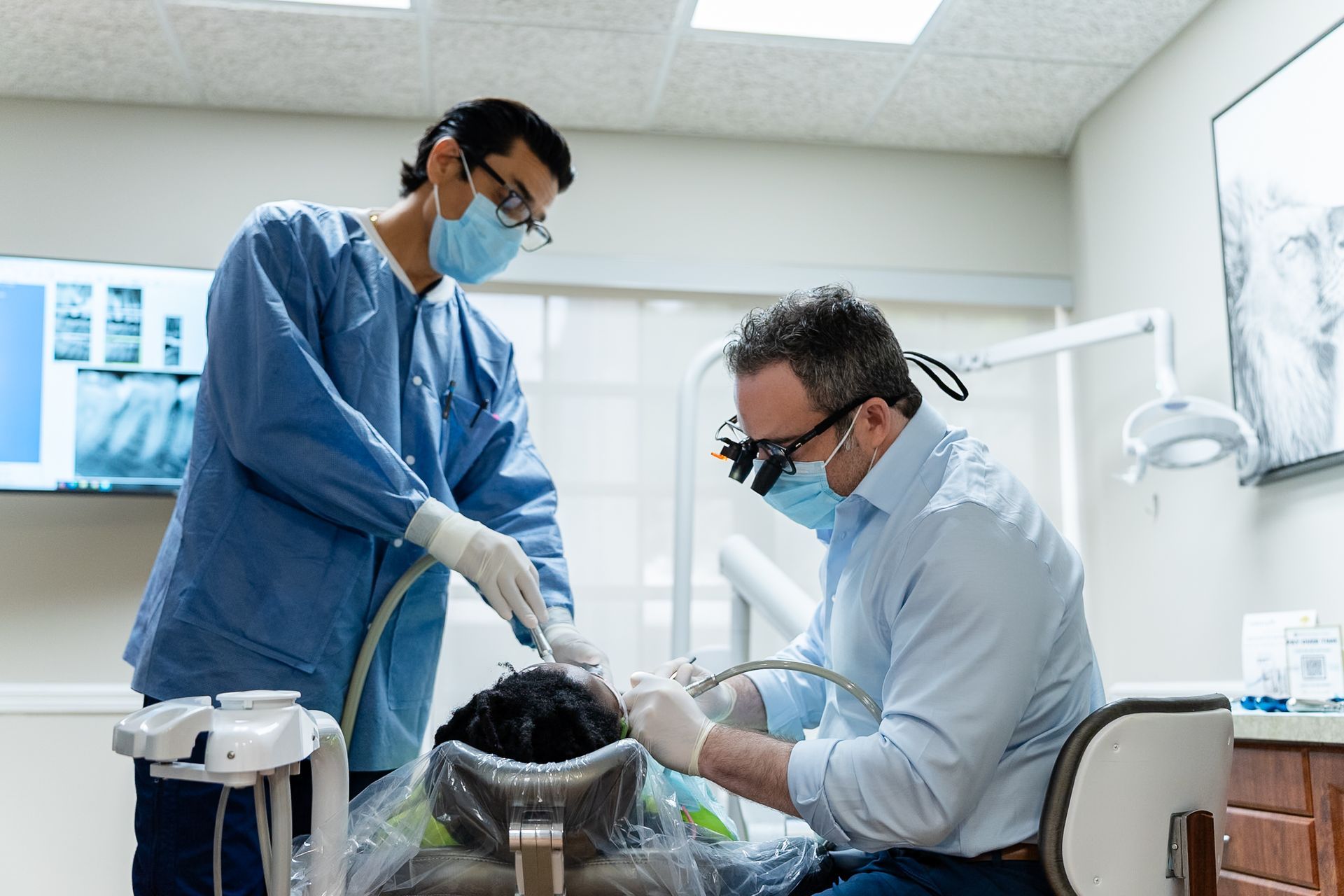
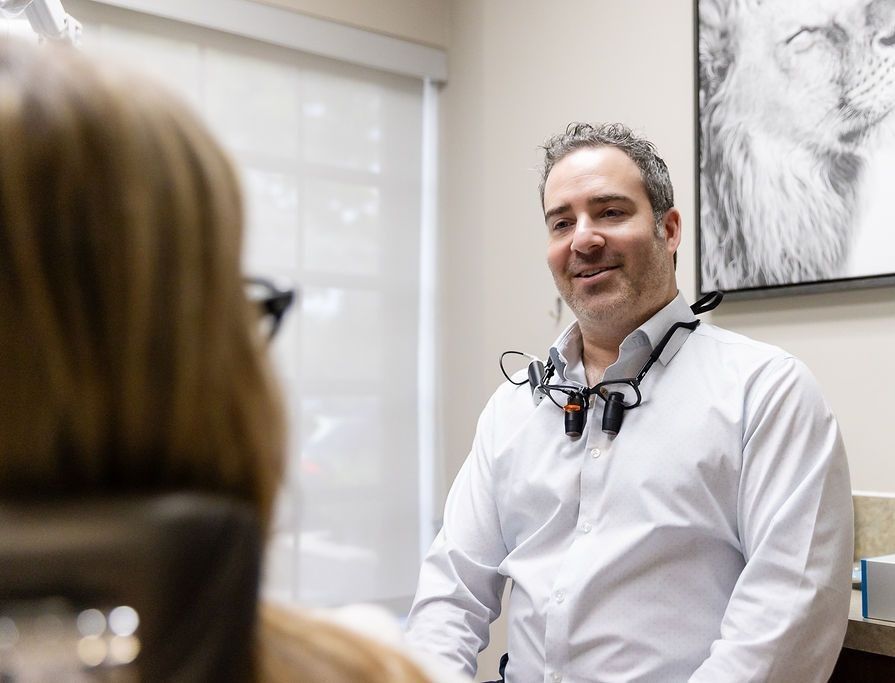
Dr. Browne credits consistent results to hand dexterity and close attention to detail. He even sets up around the tooth he's treating: when he's working on the left side of a patient's mouth, he likes to sit on the left side. And every crown is designed from a digital scan to match the teeth beside it.
His dental assistant, Omar, worked with Dr. Browne for seven or eight years, stepped away from dentistry for a while, and then reached back out to work with him again. Omar is a dentist in his home country of Colombia, and Dr. Browne says he's able to help answer patients' questions. Behind all of it is one aim, in Dr. Browne's words: "our goal is to keep everyone in a full set of teeth."
Frequently Asked Questions
Is a crown stronger than a filling?
A crown caps and protects the whole tooth, so it's the choice when more of the tooth needs reinforcing. A filling is perfect for a smaller repair.
Who decides whether I get a crown or a filling?
You do. We show you what we see on your scan, explain why one option makes more sense, and leave the choice to you.
Will my crown match my other teeth?
Yes. Dr. Browne designs each crown from a digital scan, and we shape and shade it to blend with the teeth right around it.
What are the signs an old crown or filling needs attention?
Food getting stuck around it, gums that bleed when you floss, or anything that feels loose are all good reasons to call us.
How often should I have my dental work checked?
Every six months for most patients, or every three to four months if you have gum disease.
Wondering whether your tooth needs a crown or a filling? Call My Pompano Dentist at (954) 941-2412 or contact our Pompano Beach dental office, and we'll show you what we see and walk you through your options.
Published by My Pompano Dentist (Dr. Andrew Browne).
Recent Posts